Child labor remains one of the most pressing social challenges in many parts of the world. It deprives children of their childhood, education, and the opportunity to reach their full potential. While progress has been made in reducing child labor globally, millions of children are still affected by it. Ending this issue requires not only laws and policies but also education, awareness, and community action.
Understanding the Problem of Child Labor
Child labor refers to work that is harmful to a child’s physical, mental, or emotional development and interferes with their education. It often forces children into long working hours, unsafe conditions, and environments that are not suitable for their age.
In many cases, child labor is driven by poverty. Families struggling to survive may rely on the income generated by their children. Lack of access to education, social inequality, and weak enforcement of labor laws also contribute to the problem.
The Importance of Education
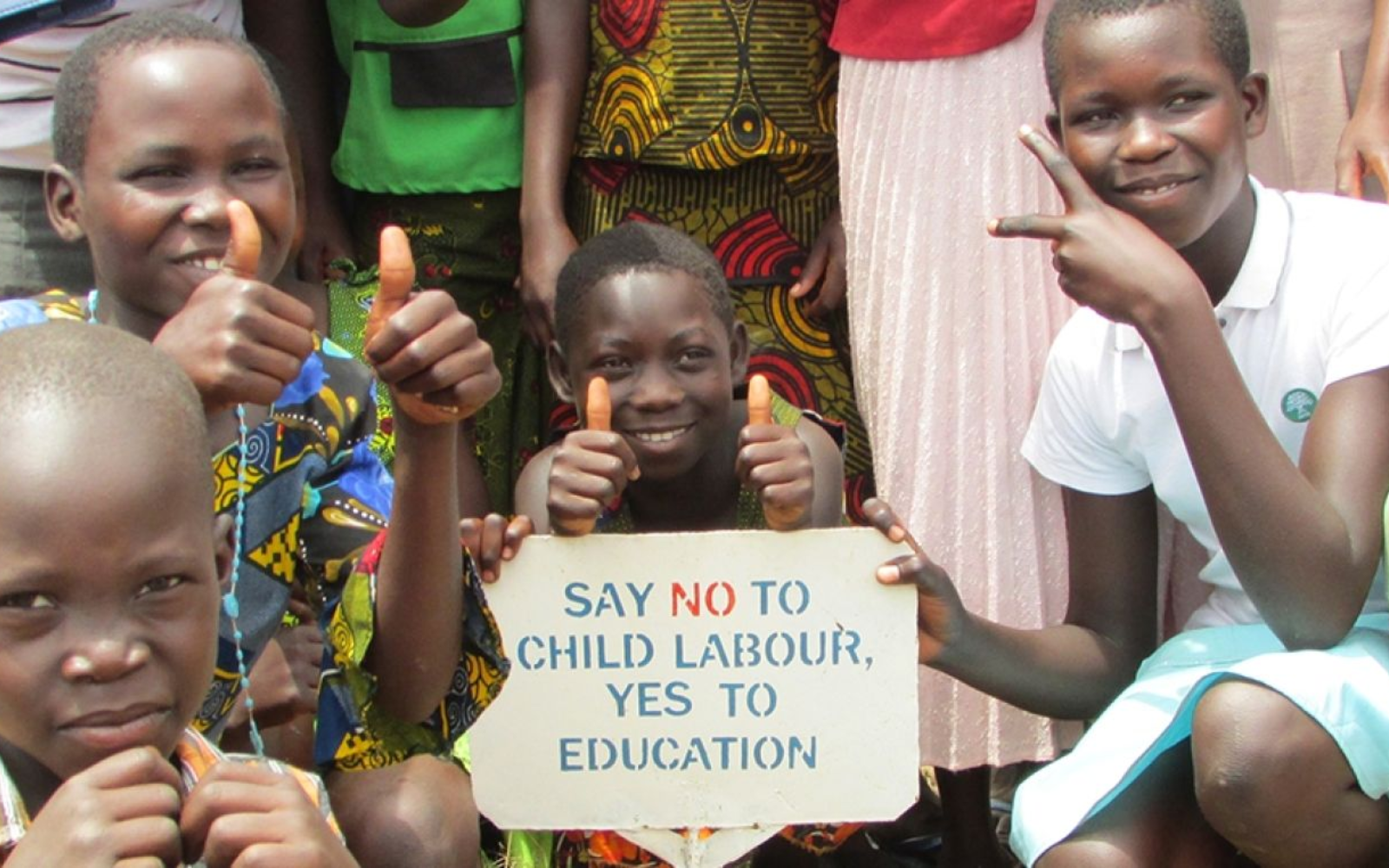
Education is one of the most powerful tools in the fight against child labor. When children are in school, they are less likely to be exploited for labor. Education provides them with knowledge, skills, and opportunities that can break the cycle of poverty.
Schools also create safe environments where children can grow, learn, and develop socially. An educated child is more likely to become an informed adult who can secure better employment and contribute positively to society.
However, access to education must be both affordable and accessible. In many regions, children are unable to attend school due to costs, distance, or lack of infrastructure. Addressing these barriers is essential for long-term change.
Raising Awareness in Communities
Many cases of child labor persist because of lack of awareness about its consequences. Families may not fully understand the long-term harm it causes to children’s health and development.
Awareness campaigns can help communities understand that short-term financial gain from child labor often leads to long-term loss in human potential. Community leaders, educators, and social organizations play a crucial role in spreading this message.
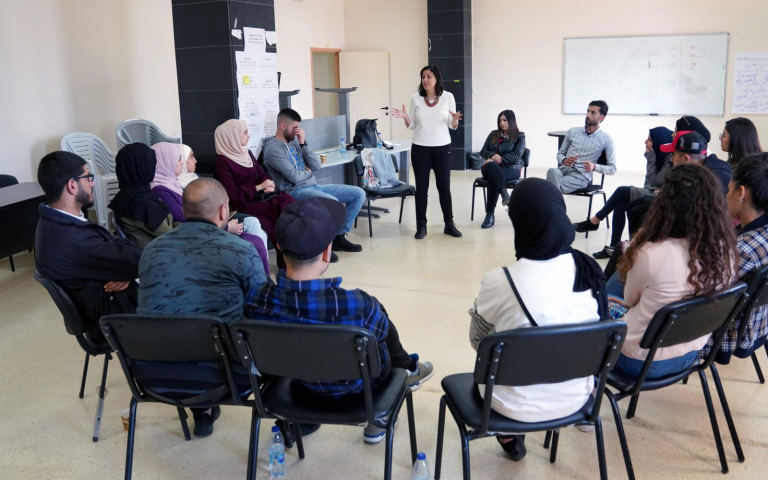
Workshops, local meetings, school programs, and media campaigns can all help change attitudes and encourage families to prioritize education over labor.
The Role of Governments and Organizations
Governments have a responsibility to enforce laws that protect children from exploitation. Strong labor regulations, regular inspections, and strict penalties for violations are necessary to reduce child labor.
At the same time, non-governmental organizations (NGOs) and community groups play a vital role in identifying at-risk children, providing educational support, and offering financial assistance to vulnerable families.
Collaboration between governments, NGOs, and local communities creates a stronger support system that can effectively address the root causes of child labor.
Breaking the Cycle of Poverty
One of the main reasons child labor continues is poverty. Families often depend on every possible source of income. Therefore, ending child labor also means addressing economic inequality.
Providing job opportunities for adults, offering skill development programs, and supporting small businesses can reduce the financial pressure on families. When parents have stable incomes, children are more likely to stay in school.
Microfinance programs and social support systems can also help families transition away from reliance on child labor.
The Long-Term Impact of Ending Child Labor
Eliminating child labor has far-reaching benefits. It leads to higher literacy rates, stronger economies, and healthier communities. Children who receive education grow into productive adults who contribute to society in meaningful ways.
On a human level, it restores childhood—giving children the chance to play, learn, and grow without fear or exploitation. This is essential for building a just and equitable society.
A Collective Responsibility
Ending child labor is not the responsibility of one group alone. It requires collective action from governments, communities, educators, and individuals. Everyone has a role to play in ensuring that children are protected and given the opportunity to learn.
By prioritizing education, raising awareness, and supporting vulnerable families, we can move closer to a world where every child is free from exploitation and has access to a bright future.